
Sizewell C Nuclear Power Station: Government Commits £14.2bn for an Energy Project That Could Power 6 Million Homes

The Sizewell C Nuclear Power Station project has recently received a decisive and monumental financial commitment from the UK Government.
This injection of £14.2 billion underscores the state’s deep reliance on nuclear energy to meet future electricity demands.
This massive investment solidifies Sizewell C’s role as a cornerstone of Britain’s long-term energy security strategy.
This significant financial endorsement comes at a crucial time, amidst geopolitical instability and the urgent need for decarbonisation.
The project is designed to deliver reliable, low-carbon power to an estimated six million homes.
This bold move highlights nuclear power’s status as a vital component in achieving the UK’s 2050 Net Zero targets.
What is the Strategic Importance of Sizewell C for the UK?
The Sizewell C Nuclear Power Station is not just another infrastructure project; it represents a major strategic shift towards energy independence.
As North Sea oil and gas reserves decline, securing domestic, non-weather-dependent power generation becomes paramount.
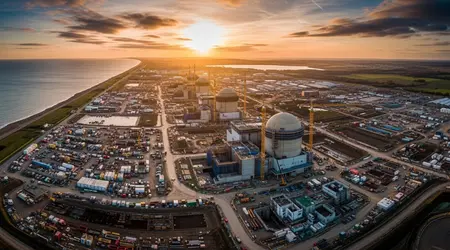
Sizewell C will feature two European Pressurised Reactors (EPRs), identical to those currently under construction at Hinkley Point C.
This standardisation is critical. It aims to streamline construction, reduce complexity, and, crucially, lower the costs associated with future nuclear projects.
Why is Stable, Baseload Power Essential for the UK Grid?
The intermittent nature of renewable energy sources, such as wind and solar, necessitates a reliable baseload power source.
Baseload refers to the minimum level of electricity demand required over a period of time. Nuclear power plants, like the proposed Sizewell C Nuclear Power Station, run continuously.
Nuclear power provides electricity 24 hours a day, seven days a week, regardless of weather conditions.
This stability is essential for balancing the grid, preventing blackouts, and enabling the wider adoption of variable renewable technologies across the UK.
Also read: UK Moves to Ban Fracking Permanently: What That Means for the Future of Energy
How Does the Regulated Asset Base (RAB) Model Affect Financing?
The government’s financial commitment is inextricably linked to the Regulated Asset Base (RAB) funding model.
This mechanism shifts some construction risk from the developers to consumers and taxpayers. It allows developers to begin earning returns before the station is operational.
The RAB model is designed to attract private investment by offering lower, more predictable returns early on.
This approach aims to reduce the overall project cost of capital. Ultimately, this should deliver cheaper electricity for consumers over the plant’s operational lifetime, according to government projections.
Read more: How the UK phased out coal-fired power plants
What is the Capacity and Decarbonisation Impact of Sizewell C?
Once fully operational, the Sizewell C Nuclear Power Station is expected to generate approximately 3.2 gigawatts (GW) of electricity.
This capacity is sufficient to power approximately 6 million UK homes. That equates to about 7% of the UK’s total current electricity demand.
Furthermore, replacing fossil fuel generation with this low-carbon nuclear power is estimated to offset 9 million tonnes of carbon dioxide emissions annually.
This substantial reduction is a vital contribution towards meeting the UK’s legally binding climate change targets.
What are the Economic and Employment Benefits for the Region?
Beyond its national energy role, the Sizewell C Nuclear Power Station promises significant economic regeneration for the East of England.
The construction phase alone is projected to create tens of thousands of jobs and support local supply chains.
The sheer scale of the project necessitates massive investment in local infrastructure, skills, and education.
This sustained economic activity will act as a major catalyst for growth in Suffolk and the wider regional economy for decades.
How Will Sizewell C Contribute to UK Skills and Training?
A key component of the development is the commitment to creating a highly skilled domestic workforce.
The project will generate approximately 10,000 jobs during peak construction and around 900 permanent jobs once the station is operational.
A specific commitment involves investing in skills academies and apprenticeships. This ensures a lasting legacy of nuclear expertise in the UK.
This development is crucial for future projects and for bolstering national self-reliance in the energy sector.
What Infrastructure Development is Required to Support Construction?
The colossal undertaking of building the Sizewell C Nuclear Power Station requires extensive local infrastructure upgrades.
This includes improvements to roads, rail lines, and port facilities to manage the movement of massive components and materials.
An original example is the commitment to dedicated freight rail links to minimize heavy vehicle traffic on local Suffolk roads.
Furthermore, new worker accommodation villages are planned. This is designed to reduce the impact of the temporary workforce on local housing markets, showing a commitment to mitigating local disruption.
What is the Real-World Economic Analogy for a Project of this Scale?
To grasp the magnitude of the investment in the Sizewell C Nuclear Power Station, consider this analogy: the £14.2 billion commitment is roughly equivalent to funding the entire annual budget of the UK’s National Cyber Security Centre (NCSC) for over seven years.
This comparison highlights the government’s prioritisation of long-term energy infrastructure alongside national security.
This substantial financial backing, combined with private investment, demonstrates a multi-decade confidence in nuclear power.
It is a calculated risk that promises substantial long-term returns in energy stability and carbon reduction.
What are the Major Environmental and Local Concerns Surrounding the Project?
Despite the national benefits, the Sizewell C Nuclear Power Station faces vigorous opposition from local residents and environmental groups.
The site is located adjacent to an Area of Outstanding Natural Beauty (AONB) and close to sensitive ecological sites.
Concerns centre on the immense impact of construction traffic, habitat destruction, and the long-term management of coastal erosion.
Balancing the national need for low-carbon energy with the protection of local environments remains a fiercely debated topic.
How is Coastal Erosion and Climate Change Affecting the Site?
The coastal location of the Sizewell C Nuclear Power Station makes it vulnerable to rising sea levels and coastal erosion driven by climate change.
Ensuring the long-term safety and resilience of the plant is a critical engineering challenge.
Developers are required to implement robust sea defences. These must protect the facility for its full projected lifespan, which typically extends to 60 years or more.
This necessitates continuous monitoring and substantial financial provision for environmental mitigation works.
What Measures are Being Taken to Mitigate Environmental Impact?
To address ecological concerns, the developers have proposed extensive mitigation schemes.
These include the creation of new wetland habitats and marshlands to offset losses to local wildlife, particularly protected bird species.
An original example is the proposed ’Fish Return System’ designed to protect marine life.
This system aims to minimize the impact of the plant’s cooling water intake on local fish populations, reflecting serious environmental commitments, even if critics remain unconvinced.
What Statistic Highlights the UK’s Energy Challenge and Need for Nuclear?
The necessity for projects like the Sizewell C Nuclear Power Station is underscored by a critical energy statistic: the UK’s existing nuclear fleet, which currently provides approximately 15% of the UK’s electricity, is aging rapidly.
Almost all of the current nuclear plants are scheduled to be retired by 2030. This impending capacity cliff highlights a massive potential energy shortfall.
Without new baseload sources like Sizewell C, the UK would be forced to rely heavily on volatile gas imports or potentially fail to meet electricity demands during periods of low renewable output.
Is the Government’s Financial Commitment the Final Cost of the Project?
The £14.2 billion commitment represents the government’s direct equity stake in the project.
The total estimated cost of the Sizewell C Nuclear Power Station is far higher, currently projected to be around £35 billion.
The remaining funding is expected to come from private investors and, eventually, from consumer contributions via the RAB model.
Can this immense total cost truly deliver value for money compared to rapidly falling renewable costs?
Comparative Energy Generation Data (Estimated for 2035)
| Power Source | Projected Capacity (GW) | Capacity Factor (%) | Annual CO2 Offset (Million Tonnes) | Estimated Lifecycle Cost (£/MWh) |
| Sizewell C (Nuclear) | 3.2 | 90% | 9.0 | 65 – 80 |
| Offshore Wind (New) | 45.0 | 45% | Variable | 40 – 55 |
| Gas CCGT (with CCS) | 10.0 | 70% | 4.0 | 75 – 100 |
Data based on UK Government and industry projections for new build energy sources.
The government’s £14.2 billion commitment to the Sizewell C Nuclear Power Station marks a pivotal moment, re-affirming nuclear energy as indispensable to the UK’s strategic future.
While environmental and cost concerns remain valid and require vigilant oversight, the imperative to secure stable, low-carbon power for six million homes drives this national project forward.
Sizewell C is a high-stakes gamble, but one the UK believes it must take to guarantee energy independence and meet its Net Zero goals.
We invite you to share your perspective on the government’s substantial investment in the comments below.
Do you believe nuclear power is the most reliable path to energy security, or should the focus be exclusively on renewables?
Frequently Asked Questions
What is the estimated completion date for Sizewell C?
The Sizewell C Nuclear Power Station is currently projected to start commercial operation in the early to mid-2030s, likely around 2034 or 2035, pending the successful, timely completion of the construction and regulatory processes.
Why is the RAB funding model controversial?
The Regulated Asset Base (RAB) model is controversial because it introduces a surcharge on consumer energy bills before the plant generates any power.
Critics argue this forces consumers to bear development risk, while proponents counter it is the only way to lower the overall, long-term cost of borrowing for the vast project.
What will happen to the nuclear waste generated by Sizewell C?
Nuclear waste from the Sizewell C Nuclear Power Station will be managed in accordance with the UK’s national policy.
High-level radioactive waste will be safely stored on the site initially, pending its eventual transfer to a planned Geological Disposal Facility (GDF), which is under development by the UK government.
How is Sizewell C different from the former Sizewell B station?
Sizewell B is a single Pressurised Water Reactor (PWR) and has been operating since 1995.
Sizewell C Nuclear Power Station will consist of two much larger, Generation III+ European Pressurised Reactors (EPRs). They use more advanced technology and have significantly higher power generation capacity.
Is there a risk of cost overruns similar to Hinkley Point C?
Project analysts acknowledge that large-scale nuclear projects carry high risk.
However, the government hopes that the standardisation of the EPR design, using the experience gained from Hinkley Point C, combined with the new RAB funding model, will help to mitigate and control potential cost overruns for the Sizewell C Nuclear Power Station.
