
Public Transport Costs: Commuters Push Back Against Rising Fares Across the UK
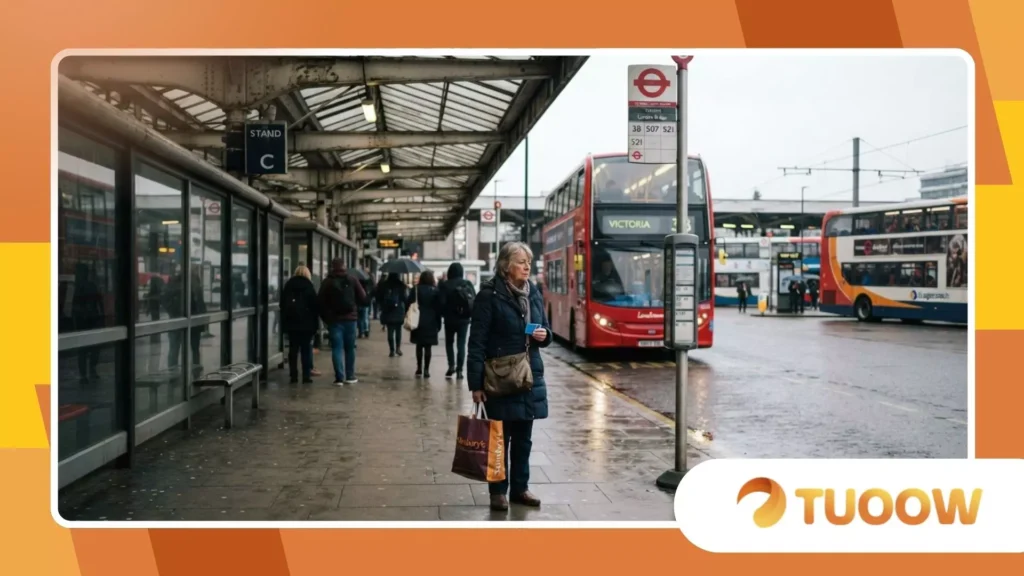
Commuting across the United Kingdom has long been a routine part of daily life, yet recent spikes in ticket prices have transformed a standard journey into a financial burden.
Across England, Scotland, and Wales, daily commuters are facing unprecedented economic pressure as ticket prices continue to climb well above the rate of inflation.
This relentless escalation of public transport costs has forced millions of workers, students, and families to re-evaluate their household budgets and daily travel routines.
From suburban rail networks in the South East to regional bus operators in the Midlands and the North, the frustration is palpable.
People are no longer quietly absorbing these hikes; instead, they are actively pushing back through organised campaigns, shifting work patterns, and demanding structural reforms from transport authorities.
Quick Navigation
- The Economic Reality of Modern Commuting
- Why Fares Keep Rising Across the Network
- The Human Impact on Household Budgets
- Grassroots Resistance and Commuter Pushback
- Alternative Strategies for Daily Travelers
- Frequently Asked Questions
The Economic Reality of Modern Commuting
The journey to work or university is a fixed expense for millions, leaving very little room for financial flexibility.
Over the past few years, annual fare increases have routinely hit hard-pressed households right after the festive period.
Official data from the Office for National Statistics (ONS) and the Department for Transport regularly highlight how transport inflation outpaces general wage growth.
For a standard season ticket holder travelling into London or major regional hubs like Manchester, Birmingham, and Glasgow, the yearly cost can easily run into thousands of pounds.
This financial squeeze is not happening in a vacuum. It follows a complex history of privatised rail franchises, municipal bus deregulation, and shifting government subsidies.
When the government implements regulated fare caps, passengers often breathe a temporary sigh of relief, yet unregulated peak tickets and off-peak anomalies continue to creep upward.
The sheer unpredictability of these expenses makes long-term financial planning exceptionally difficult for average citizens.
++ NHS Workforce Crisis: Hospitals Continue to Face Staff Shortages Across England
Why Fares Keep Rising Across the Network
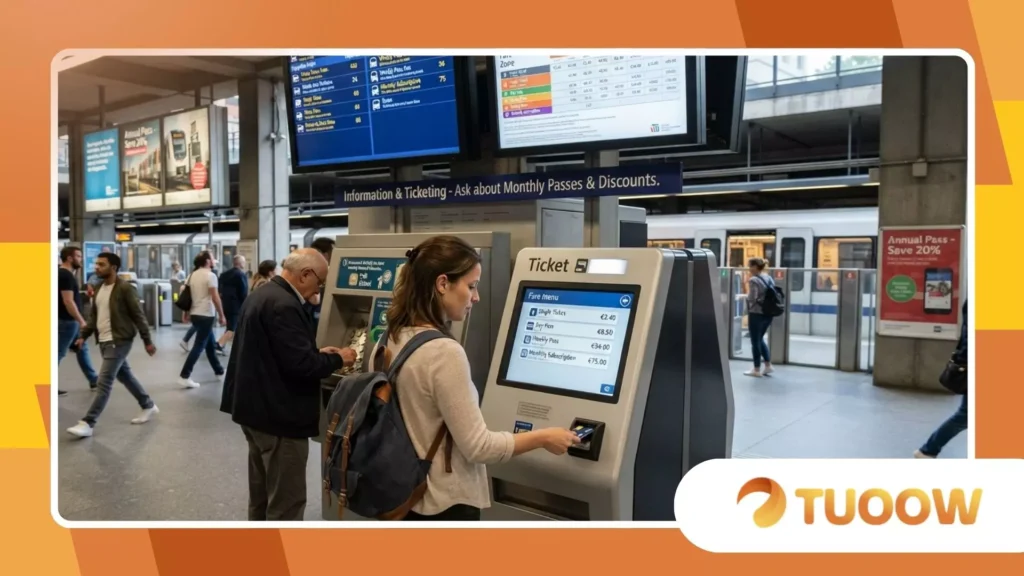
Understanding why these hikes occur requires a closer look at the financial mechanics behind national infrastructure.
Operating a reliable rail or bus service involves immense capital expenditure. Operators must fund track maintenance, fleet modernization, rolling stock renewals, and escalating staff wages.
Following the disruptions of recent years, transport companies have also faced severe revenue shortfalls, prompting them to lean heavily on farebox recovery the practice of funding operations directly from ticket sales rather than public subsidies.
Furthermore, policy shifts from organizations like the Department for Transport and regional mayoral authorities dictate how fare formulas are calculated.
Historically, many regulated rail fares were tied directly to the Retail Prices Index (RPI) inflation figure from July of the previous year.
Although recent adjustments have occasionally decoupled fares from RPI, the resulting increases still place a heavy strain on the public.
Without substantial state intervention or a complete overhaul of how transport networks are funded, the upward trajectory of public transport costs remains a persistent structural challenge.
Also read: Biggest Overhaul of UK Migration Model in 50 Years
The Human Impact on Household Budgets
The psychological and financial toll of these rising expenses extends far beyond simple annoyance.
For many workers, spending a significant portion of their monthly net income just to get to their place of employment creates profound anxiety.
When factoring in the rising costs of living, energy, and housing, paying exorbitant ticket prices forces difficult compromises.
Many households are cutting back on discretionary spending, social outings, and even essential savings.
Regional disparities further exacerbate the problem. Commuters living outside major metropolitan areas often face a double penalty: lower average regional wages combined with disproportionately high travel tariffs.
In some rural and semi-rural districts, the lack of viable alternatives means commuters are a captive market.
They have no choice but to pay whatever fare is demanded, regardless of whether the service is chronically delayed or overcrowded.
Read more: Brit Awards 2026 Moves to Manchester: Cultural and Economic Impact Outside London
Grassroots Resistance and Commuter Pushback
In response to these relentless financial demands, passengers are refusing to remain passive.
Commuter groups, trade unions, and local advocacy organizations are mobilizing across the country to challenge operators and policymakers head-on.
Protests at major railway stations, petition drives, and coordinated lobbying efforts have become increasingly common.
Passengers are demanding fare freezes, simplified ticketing structures, and better accountability when services are cancelled or delayed. This collective pushback is also manifesting in behavioral changes.
More workers are negotiating permanent hybrid working arrangements with their employers to reduce office attendance to two or three days a week.
By cutting their physical travel days down, commuters can often bypass expensive seven-day season tickets in favor of flexible ticket bundles or pay-as-you-go contactless options.
This reduction in daily passenger volume poses a significant long-term dilemma for transport operators who relied on the traditional five-day commuter model for stable revenue.
Alternative Strategies for Daily Travelers
Navigating today’s transport landscape requires strategic planning to mitigate financial damage. Savvy commuters are utilizing a variety of tactical approaches to trim their travel expenses:
- Splitting Tickets: Purchasing separate tickets for distinct legs of the same journey rather than a single through-ticket can yield substantial savings on national rail services, entirely within legal ticketing rules.
- Railcards and Loyalty Schemes: Maximising discounts through Network Railcards, regional family passes, or contactless tap-in caps ensures travelers are never paying more than the daily maximum limit.
- Active Travel Integration: Combining cycling or walking for the first or last mile of a journey often eliminates the need for expensive connecting bus or tram hops.
- Flexible Working Adjustments: Aligning office days with off-peak hours or collaborative remote schedules helps avoid premium peak-rate tariffs altogether.
| Travel Strategy | Potential Savings | Complexity Level | Best Suited For |
| Split Ticketing | High (Up to 30%) | Moderate | Long-distance rail commuters |
| Off-Peak Travel | Moderate (15-25%) | Low | Flexible workers and students |
| Active Commuting | High (Eliminates local fares) | Moderate to High | Urban travelers within a 5-mile radius |
| Flexible Season Bundles | Low to Moderate | Low | Hybrid workers visiting offices 2-3 days a week |
Navigating complex fare structures can occasionally feel overwhelming, particularly when dealing with multi-operator journeys.
For complex financial or contractual commuting queries, consulting independent consumer advice platforms or legal bodies can provide clarity on passenger rights and delay compensation claims.
Conclusion: Navigating the Future of British Mobility
The ongoing friction between daily travelers and transport operators highlights a critical turning point for the UK’s infrastructure.
As public transport costs continue to strain household finances, the demand for a fairer, more sustainable ticketing model grows louder.
Resolving this crisis will require innovative policymaking, transparent funding, and a genuine commitment to keeping mobility affordable for everyone.
Ultimately, a thriving economy depends on an accessible transport network where getting to work does not drain a worker’s livelihood. Commuters will undoubtedly keep pushing for change until a lasting balance is struck.
Frequently Asked Questions
Why are UK train fares so high compared to other European countries?
Unlike many European rail networks that receive heavy state subsidies to keep passenger prices low, the UK model historically relies much more heavily on private investment and farebox recovery, meaning passengers bear a larger share of the operating costs directly.
Can I claim compensation if my train is consistently delayed?
Yes. Under the Delay Repay scheme operating across most national rail networks, passengers can claim compensation if their train is delayed by 15 minutes or more, regardless of the cause of the delay.
What is the most effective way to lower my monthly travel expenses?
Reviewing your exact travel patterns is the best starting point. Many modern commuters save money by ditching traditional annual season tickets in favor of flexible ticket bundles, split ticketing apps, or shifting to hybrid remote work schedules.
How does inflation affect annual fare increases?
Historically, regulated rail fares were benchmarked directly against the Retail Prices Index (RPI) inflation rate, though recent years have seen governments intervene to cap increases below peak inflation figures to protect passengers from extreme shocks.
