
The Student Housing Shortage Continues: How Freshers Are Being Affected Across the UK

As the 2026 academic cycle approaches, the reality for incoming university students remains fraught with uncertainty.
The student housing shortage has evolved from a seasonal headline into a structural crisis that fundamentally alters the university experience before it even begins.
For thousands of freshers, the excitement of securing a place at a top-tier institution is increasingly overshadowed by the daunting prospect of finding a secure, affordable, and accessible place to live.
The current landscape is characterised by a severe supply-demand imbalance. While university enrolment numbers remain robust, the delivery of purpose-built student accommodation (PBSA) and private rental sector (PRS) units has failed to keep pace.
This shortfall creates a high-pressure environment where students are forced to commit to exorbitant tenancies months in advance or, in more extreme cases, consider deferring their studies entirely.
Understanding the nuances of this market is essential for any student or parent navigating the complexities of higher education today.
Contents
- The Structural Drivers of the Crisis
- The Impact on the Fresher Experience
- Regional Disparities and Market Pressures
- Navigating the Search: Strategic Advice
- Looking Ahead: Policy and Market Shifts
- Conclusion
- Frequently Asked Questions
The Structural Drivers of the Crisis
At its core, the persistent student housing shortage is a multi-faceted issue driven by planning constraints, rising construction costs, and shifting demographics.
According to data from UCAS, the demand for places at competitive universities remains consistently high, yet the physical infrastructure of university towns has reached a point of saturation.
Planning permissions for new PBSA developments are often hampered by local opposition and stringent regulatory hurdles, which can take years to clear.
Furthermore, the Bank of England’s interest rate environment has significantly influenced development financing.
High borrowing costs mean that developers are more cautious about starting new projects, leading to a bottleneck in supply.
This is compounded by the “professionalisation” of the rental market, where older, affordable HMOs (Houses in Multiple Occupation) are being converted back into standard family housing or are being sold off by landlords struggling with increased mortgage rates and regulatory changes.
The result is a market where the available inventory is predominantly high-end, luxury student accommodation, which is often priced well beyond the reach of the average student.
This creates a two-tier system: those who can afford premium rates and those who are left to scramble for the remaining, often lower-quality, housing stock in the private sector.
++ GCSE resit rates UK: why more students are struggling
The Impact on the Fresher Experience
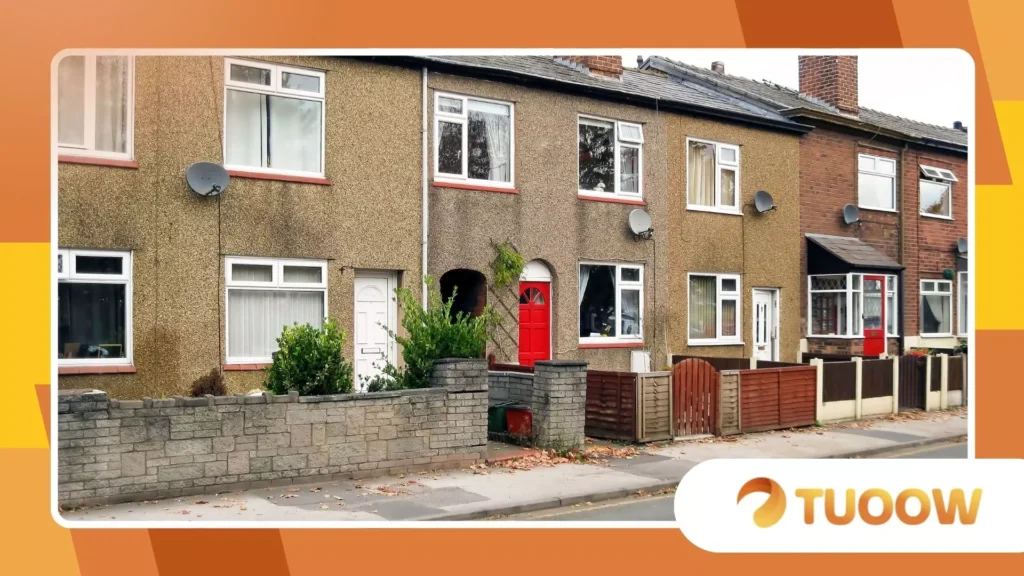
For a student leaving home for the first time, the stability of their living environment is a prerequisite for academic success.
The stress of the current housing climate starts long before the Fresher’s Week welcome talk.
Many students now find themselves engaging in a frantic bidding war for rooms, or worse, falling victim to rental scams that exploit the desperation of those who have yet to secure a contract.
The mental health toll of this instability cannot be overstated. When the most basic need shelter is compromised, anxiety levels naturally rise.
Universities are increasingly aware of this, with many institutions issuing warnings to applicants about the severity of the local housing market.
However, institutions themselves are struggling to guarantee accommodation for all first-year students, a promise that was once the gold standard of university offers.
This shift affects the social fabric of university life as well. The traditional “first-year hall” experience, which is pivotal for community building and peer support, is being diluted.
Students who are forced to live in temporary accommodation miles from campus or in different cities entirely often struggle to integrate into the university community, leading to feelings of isolation and, in some cases, early withdrawal from their course.
Also read: Free School Projects Scrapped to Fund SEND Support: The Real Story Behind the Policy Shift
Regional Disparities and Market Pressures
The severity of the situation is not uniform across the United Kingdom.
While London consistently experiences the highest rental growth, other cities like Manchester, Bristol, and Edinburgh are facing equally daunting pressures.
These cities have seen a rapid expansion in student numbers without a corresponding increase in infrastructure, leading to a strained public transport system and increased competition for housing in suburban areas.
To illustrate the current state of the market, the following table provides an overview of how rental costs and availability are shaping up in key university cities as of June 2026:
| City | Rental Growth (Year-on-Year) | Availability Index | Primary Challenge |
| London | High (+8.2%) | Very Low | Cost of Living / Transit |
| Manchester | Moderate (+6.5%) | Low | High Competition |
| Bristol | Moderate (+6.1%) | Very Low | Planning Constraints |
| Edinburgh | High (+7.8%) | Low | Heritage Regulations |
These figures suggest that students looking at these areas must approach their search with a heightened level of preparation.
It is no longer enough to rely solely on university-managed halls; proactive research into the private rental sector and understanding local tenant rights is now a essential part of the pre-university process.
Navigating the Search: Strategic Advice
Given the persistent student housing shortage, students are advised to adopt a systematic approach to finding accommodation.
First, engage directly with your university’s accommodation office. They are the primary source of verified information and may have partnerships with private providers that offer preferential rates or guaranteed security for students.
Second, familiarize yourself with your rights as a tenant. The UK government’s “How to Rent” guide is an essential starting point.
Understanding what a landlord can and cannot charge, as well as the legal requirements for tenancy deposit protection, can provide a buffer against potential exploitation.
If you are entering a tenancy, ensure that you fully comprehend the contract terms, specifically clauses regarding break clauses and utility bill inclusions.
Third, consider the benefit of looking further afield. Many students mistakenly believe they must live within walking distance of the lecture hall.
Using the public transport network to your advantage by scouting accommodation in neighbouring towns can open up significantly more affordable options.
Always perform a test commute during peak hours to ensure the journey is sustainable for your daily schedule.
Finally, do not underestimate the importance of professional advice. If you encounter legal difficulties with a landlord or a letting agency, reach out to your Student Union’s advice centre.
They are experienced in handling disputes and can often provide mediation or legal signposting that is far more effective than trying to navigate the system alone.
Looking Ahead: Policy and Market Shifts
The long-term resolution of this crisis requires a strategic partnership between local councils, university providers, and the government.
There are ongoing discussions regarding the implementation of more flexible planning policies that prioritize the development of mid-market, affordable student housing.
Furthermore, the introduction of stricter regulations on short-term holiday lets (like Airbnb) in major cities is being scrutinized as a potential mechanism to return housing stock to the long-term rental market.
While these policy shifts may not provide immediate relief for the 2026 cohort, they represent a necessary correction to a market that has drifted too far toward luxury and short-term profit, at the expense of long-term academic stability.
For those planning to enter the UK higher education system, the best strategy remains vigilance.
While the student housing shortage presents a formidable challenge, those who prepare early, understand their legal standing, and remain flexible in their location requirements are consistently more successful in securing quality accommodation that supports their studies.
Conclusion
The ongoing housing crisis is a defining feature of the modern UK university experience.
While the academic quality of our institutions remains world-leading, the infrastructure surrounding them must adapt to ensure that the promise of education is matched by the security of a home.
For freshers, success in 2026 is predicated on early research, a robust understanding of the rental market, and an ability to navigate the complexities of finding a place to call home.
By approaching this challenge with the same rigor as one would a degree, students can mitigate the risks and focus on the primary goal: their education.
Frequently Asked Questions
What is the best time to start looking for student accommodation?
It is advised to start your search as soon as you receive your university offer. The most popular and affordable options often fill up by late spring or early summer.
Are there protections for students if their accommodation falls through?
Yes, your tenancy agreement is a legally binding contract. If a provider fails to uphold their end, you have rights under the Tenant Fees Act and other consumer protection regulations.
Always seek advice from your Student Union if a contract is breached.
Should I consider a private landlord or a dedicated student building?
Both have pros and cons. Dedicated buildings offer security and convenience but can be more expensive.
Private landlords may offer more independence and potentially lower rent, but require more diligence in checking the property’s condition and the landlord’s reputation.
How can I avoid rental scams?
Never pay a deposit before viewing a property (either in person or via a live, verified video call).
Be wary of deals that seem too good to be true and always verify that the property is registered with the local council’s HMO licensing scheme if applicable.
