
Why UK Consumers Should Prepare for Prolonged Interest Rate Cuts in 2026

Prolonged Interest Rate Cuts in 2026 represent a significant shift in the UK’s monetary landscape as the Bank of England pivots toward economic stimulation.
After years of battling sticky inflation, the central bank’s decision to maintain a downward trajectory offers both a lifeline and a challenge for millions.
British households must now re-evaluate their long-term wealth strategies as the era of high-yield savings fades into the background of a cooling economy.
Navigating this transition requires more than just passive observation; it demands a proactive adjustment to debt management and investment portfolios immediately.
What is driving the downward trend in UK interest rates?
Prolonged Interest Rate Cuts in 2026 are largely the result of cooling inflationary pressures and a stagnant Gross Domestic Product growth rate.
With the Consumer Price Index (CPI) hitting 3.4% in late 2025 and heading toward the 2% target, the restrictive policy has finally loosened.
Economic stability now depends on encouraging business investment and consumer spending, which had been suppressed by the highest borrowing costs in fifteen years.
The Bank of England is essentially trying to perform a delicate “soft landing” for a post-pandemic economy that remains fragile.
Why is the Bank of England prioritizing growth over inflation now?
A Prolonged Interest Rate Cuts in 2026 strategy indicates that the Monetary Policy Committee (MPC) is less fearful of price surges than a recession.
Policymakers are shifting their focus because higher national insurance and stagnant wages have begun to hurt the average British worker’s purchasing power.
Stimulating the economy through cheaper credit is the primary tool available to prevent a broader downturn in the retail and hospitality sectors.
By lowering the base rate, the Bank aims to breathe life back into high streets that have struggled under the weight of debt.
++ Budget Hacks for 2026: How Rising Taxes and Slow Growth Will Impact Household Finance
How does global economic cooling influence the UK’s base rate?
The Prolonged Interest Rate Cuts in 2026 trend is mirrored across other major economies, including the United States and the European Union, affecting trade.
When international central banks cut rates, the Bank of England often follows to maintain a competitive pound and prevent unwanted currency volatility.
Global demand for UK exports remains muted, necessitating a lower internal cost of borrowing to keep domestic firms afloat in a tough market.
This interconnectedness means that British interest rates are no longer set in isolation from the broader financial currents of the world.
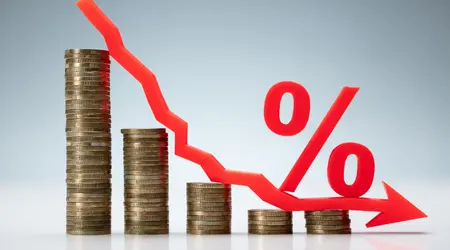
How will these changes impact your mortgage and housing options?
Prolonged Interest Rate Cuts in 2026 offer a glimmer of hope for homeowners who have been trapped in expensive variable-rate deals for years.
Lenders have already begun a “price war,” with some two-year fixed rates falling to 3.51% as they anticipate further federal cuts.
First-time buyers stand to benefit the most as affordability ratios improve, finally allowing them to exit the increasingly expensive and unregulated rental market.
However, this increased demand may also prevent house prices from falling, keeping entry-level properties expensive despite the lower monthly interest costs.
Recent data from the Office for National Statistics (January 2026) shows that while inflation rose slightly to 3.4%, mortgage lenders are still cutting rates.
This disconnect proves that the market is looking past temporary spikes toward a much lower long-term interest rate environment for all.
Why would you continue paying a standard variable rate when the market is clearly moving toward more affordable, long-term fixed financing options?
Staying informed is like having a lighthouse in a storm; it helps you navigate through the fog of complex financial jargon.
Also read: Later-Life Lending Surge: Why Over-55s Are Borrowing More and What It Means for Retirement Planning
What should homeowners on fixed-rate deals do next?
Prolonged Interest Rate Cuts in 2026 mean that those with deals expiring this year should start comparison shopping at least six months in advance.
Locking in a new rate early can protect you if inflation unexpectedly spikes, but you must remain flexible to take advantage of deeper cuts.
Switching lenders might incur fees, but the long-term interest savings often outweigh the initial administrative costs of moving your mortgage to a competitor.
Strategic planning now can save a typical household thousands of pounds over the next five years of their repayment term.
Read more: UK Households Cut Spending at Fastest Pace in Years — Financial Strategies for Tight Budgets
Is now the right time for first-time buyers to act?
A Prolonged Interest Rate Cuts in 2026 environment makes it easier to pass the stringent “stress tests” that banks use to approve new mortgage applications.
Lower rates mean your monthly income can support a larger loan, potentially moving you from a one-bedroom flat to a family-sized house.
Waiting too long for the “absolute bottom” of the rate cycle can backfire if property prices begin to surge due to increased buyer competition.
Balancing the benefit of a lower rate with the reality of rising house prices is the ultimate challenge for new entrants.
Why are savers feeling the sting of lower interest rates?
Prolonged Interest Rate Cuts in 2026 create a difficult environment for those who rely on interest income, such as pensioners or cautious rainy-day savers.
High-street banks have already started slashing their “easy access” account rates, often dropping them faster than they reduce mortgage costs for borrowers.
To maintain your wealth’s purchasing power, you must look beyond traditional savings accounts and consider tax-efficient products like ISAs or low-risk index funds.
Passive saving is no longer a viable strategy when inflation still hovers near the 3% mark while bank interest sits lower.
How can you protect your savings from devaluations?
Prolonged Interest Rate Cuts in 2026 suggest that locking into a fixed-term bond now might be the last chance to secure a decent return.
Once the base rate falls toward 3.25%, these high-yield opportunities will vanish, leaving savers with very few options for guaranteed growth.
Diversifying your portfolio into diverse asset classes, such as green energy bonds or infrastructure trusts, can provide better yields than a standard bank.
You must become an active manager of your own capital to ensure that your hard-earned money doesn’t simply sit stagnant and lose value.
What is the role of the ISA in a low-rate environment?
Prolonged Interest Rate Cuts in 2026 make the tax-free status of an ISA even more critical for preserving your real returns after the government’s cut.
Every pound of interest you keep instead of paying to HMRC is a victory in a world where yields are shrinking daily.
Combining a Cash ISA for liquidity with a Stocks and Shares ISA for growth is the most balanced approach for the current economic climate.
This strategy allows you to benefit from potential stock market gains as lower interest rates typically boost corporate profits and share prices.
UK Financial Outlook – Interest Rate Projections for 2026
| Indicator | Current (Jan 2026) | Forecast (Mid 2026) | Forecast (Late 2026) |
| BoE Base Rate | 3.75% | 3.50% | 3.25% |
| Avg. 2yr Fixed Mortgage | 3.55% | 3.30% | 3.15% |
| Avg. Easy Access Savings | 2.50% | 2.10% | 1.85% |
| CPI Inflation Rate | 3.4% | 2.8% | 2.2% |
| GDP Growth | 0.2% | 0.5% | 0.8% |
In conclusion, the prospect of Prolonged Interest Rate Cuts in 2026 signals a major turning point for the UK’s financial health and consumer confidence.
While borrowers and first-time buyers have a unique opportunity to secure lower costs, savers must work harder to find meaningful returns in a low-yield world.
The Bank of England is clearly prioritizing growth, but the road to a full recovery remains paved with inflationary risks and global uncertainties.
By staying informed and acting decisively, you can turn these macroeconomic shifts into personal financial victories.
Success in 2026 will belong to those who adapt their strategies to the reality of cheaper credit and lower returns.
Are you planning to remortgage soon, or are you looking for alternative ways to grow your savings as rates continue to fall? Share your experience in the comments!
Frequently Asked Questions
Will interest rates ever go back to 0.1%?
Most economists in 2026 believe that the “ultra-low” era is over; rates are expected to settle between 2.5% and 3.5% for the foreseeable future.
Should I choose a tracker or a fixed-rate mortgage now?
If you believe in the trend of Prolonged Interest Rate Cuts in 2026, a tracker might save you more as the base rate falls further.
How does the 3.4% inflation rate affect the Bank of England’s decisions?
While slightly higher than the 2% target, the Bank views current inflation as temporary and driven by volatile items like airfares rather than systemic issues.
What is the best way to save if bank rates are low?
Consider fixed-term bonds to lock in current rates or move into a Stocks and Shares ISA to capitalize on the economic stimulus provided by rate cuts.
Are house prices going to crash because of these changes?
No; lower interest rates usually support or even increase house prices by making it easier for more people to afford a mortgage and enter the market.
