
Blue Badge Scheme: Who Can Apply and What Benefits It Offers
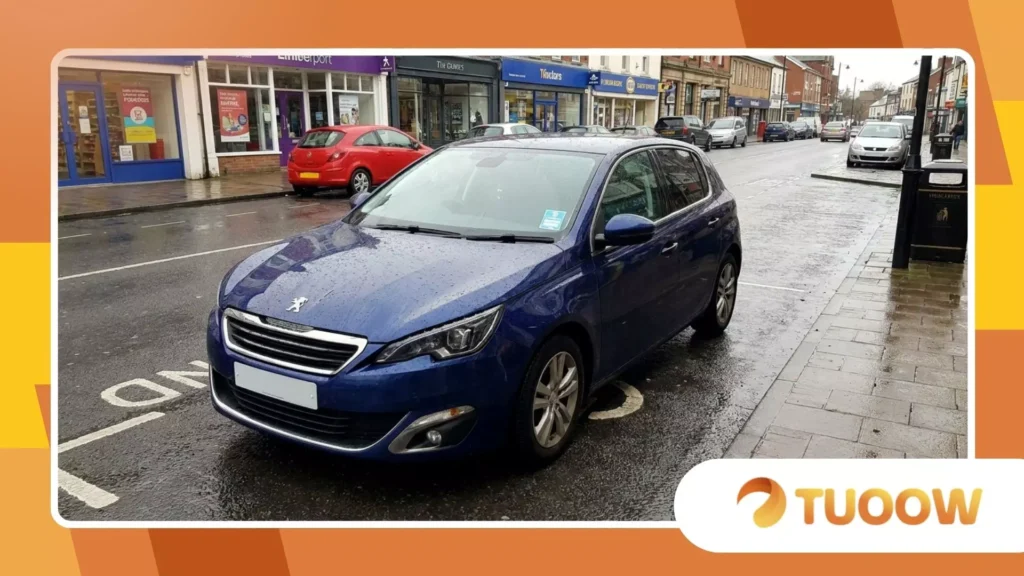
Navigating everyday mobility can present significant hurdles for individuals living with disabilities, severe health conditions, or hidden impairments.
The Blue Badge Scheme serves as a vital lifeline across the United Kingdom, offering accessible parking privileges that empower millions of residents to maintain their independence, access essential local services, and participate fully in daily community life.
Administered by local authorities under regulations established by the Department for Transport, this national initiative aims to reduce the physical barriers associated with travel and parking.
Understanding how the framework operates, who qualifies under automatic or discretionary criteria, and what specific parking concessions it yields is essential for potential applicants and caregivers alike.
This comprehensive guide provides an in-depth breakdown of eligibility pathways, practical application strategies, key benefits, and critical compliance rules to ensure you navigate the process with complete confidence.
What We Cover in This Guide
- Eligibility Framework: Detailed breakdown of automatic entitlement criteria and assessed eligibility routes.
- Core Parking Concessions: Comprehensive overview of national parking benefits, local variations, and London exemptions.
- Application & Assessment Process: A practical step-by-step roadmap to gathering evidence, submitting claims, and handling appeals.
- Rules & Legal Compliance: Essential guidelines on proper badge usage, avoiding misuse penalties, and renewal protocols.
Understanding the Blue Badge Scheme Framework
The primary objective of the Blue Badge Scheme is to ensure that individuals with severe mobility issues or hidden disabilities can park closer to their destinations.
Whether visiting a healthcare provider, attending workplace commitments, or undertaking routine household shopping, reduced walking distances significantly diminish physical strain and anxiety.
While the overarching legislative framework is set at the national level by central government, day-to-day administration, assessment, and issuance are handled directly by local councils.
Consequently, while core statutory eligibility standards remain uniform across England, Scotland, Wales, and Northern Ireland, local enforcement policies and secondary parking concessions can vary slightly depending on the specific local authority area.
The scheme extends far beyond physical wheelchair users or those with obvious walking difficulties.
Over recent years, statutory criteria have evolved significantly to recognise non-visible impairments, including severe mental health conditions, cognitive disorders, and neurodivergent conditions that make journeys dangerous or distressing.
Who Can Apply? Detailed Breakdown of Eligibility Criteria
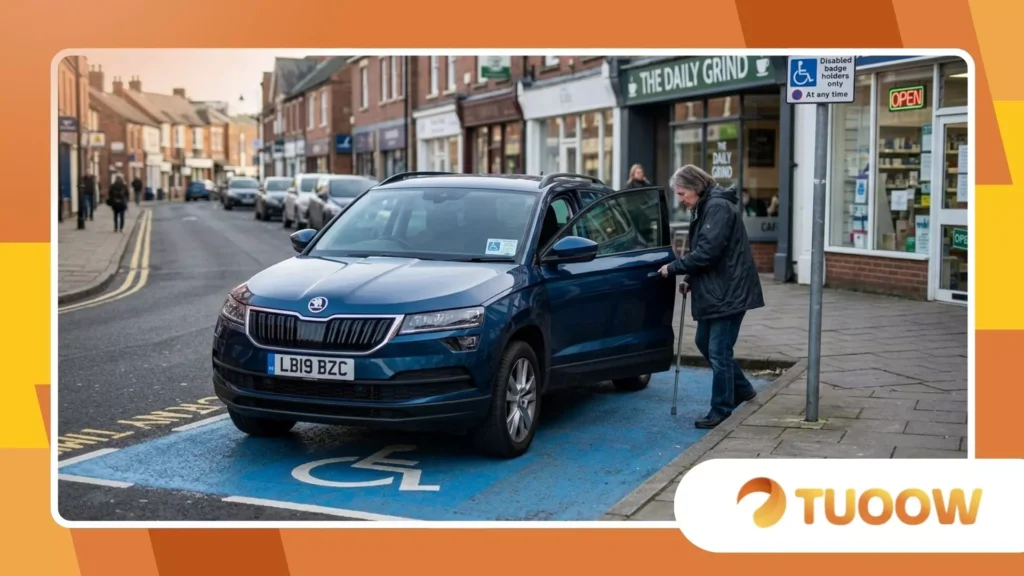
Determining whether you or a family member qualify for a badge involves reviewing two distinct statutory categories: ‘without further assessment’ (automatically eligible) and ‘subject to further assessment’ (discretionary eligible).
Knowing which route applies to your circumstances saves time during the application phase.
Automatic Entitlement (Without Further Assessment)
An applicant automatically qualifies for a badge if they are aged three or older and meet at least one of the following official criteria verified by official documentation from government agencies such as the Department for Work and Pensions (DWP):
- Personal Independence Payment (PIP): Receiving the Mobility component and scoring 8 points or more under the ‘Moving Around’ descriptor, or scoring 10 points under descriptor E of ‘Planning and Following Journeys’ specifically stating inability to undertake a journey due to overwhelming psychological distress.
- Disability Living Allowance (DLA): Receiving the Higher Rate Mobility Component.
- Registered Blindness: Being officially registered as severely sight impaired (blind) with your local social services department or possessing a Certificate of Vision Impairment (CVI).
- Armed Forces Compensation Scheme or War Pensioners’ Mobility Supplement: Receiving a War Pensioner’s Mobility Supplement or a lump sum payment within tariffs 1–8 of the Armed Forces Compensation Scheme certified as having a permanent and substantial disability.
++ Winter Fuel Payment: What Pensioners Can Expect Ahead of the Colder Months
Assessed Eligibility (Subject to Further Assessment)
If you do not automatically qualify through existing benefit awards, you can still apply under the assessed route.
Local councils evaluate these applications using medical evidence, healthcare professional statements, and, where necessary, independent mobility assessments.
- Substantial Physical Impairment: You have a permanent and substantial disability that causes you to be unable to walk, or renders walking extremely difficult regarding distance, speed, manner, or time taken.
- Hidden or Non-Visible Disabilities: You experience severe psychological distress while walking, or risk serious danger to yourself or others during ordinary journeys (e.g., severe autism, dementia, or acquired brain injuries).
- Child Applicants Under Three Years Old: Children under three qualify if they have a specific medical condition requiring bulky medical equipment to be carried at all times, or if they must always be kept near a motor vehicle for immediate emergency medical treatment.
- Severe Impairment in Both Arms: Drivers who have severe disability in both arms, drive a vehicle regularly, but cannot operate all or some types of parking meters.
Practical Benefits and Concessions Offered
Holding a valid badge transforms daily travel by granting permission to park in areas that would otherwise be restricted or costly.
The core benefits offered by the Blue Badge Scheme apply nationally, though badge holders must always pay close attention to local signage and kerbside markings.
On-Street Parking Privileges
On-street parking represents the primary venue for badge concessions. When properly displaying the badge alongside the parking clock, holders can access several key permissions:
- On-Street Disabled Bays: Free and unlimited parking in designated on-street disabled parking bays unless local signs explicitly state a maximum stay duration.
- Yellow Lines: Parking on single or double yellow lines for up to 3 hours in England and Wales (unlimited in Scotland unless obstruction rules apply), provided there are no active loading/unloading restrictions marked by yellow kerb dashes.
- Pay-and-Display Bays & Metered Parking: Free and unlimited parking at standard on-street pay-and-display bays, ticket machines, and metered spaces across most local council areas.
Also read: Warm Home Discount: When Will Applications Open for the Next Winter Scheme?
Off-Street Car Parks and Private Premises
Concessions in off-street car parks differ from on-street rules. Councils usually allow free parking for badge holders in council-run off-street car parks, but local terms apply.
Conversely, privately operated car parks such as those at supermarkets, shopping centres, hospitals, and railway stations are governed by private contract law.
Private operators set their own rules regarding whether badge holders park for free or must pay standard tariffs.
Special Rules for Greater London and Major Urban Centres
Central London operates distinct parking rules due to traffic density.
The central London boroughs (including the City of London, City of Westminster, Royal Borough of Kensington and Chelsea, and parts of Camden) do not fully recognize standard yellow line concessions.
However, badge holders residing in or visiting London benefit from a 100% discount on the London Congestion Charge, subject to a one-time registration process with Transport for London (TfL).
Summary of Blue Badge Parking Rules and Concessions
To clarify where and how you can park, the following comparison table outlines standard rights, limitations, and requirements across different parking environments in the UK.
| Parking Location / Area | Concession Granted | Maximum Time Allowed | Clock Required? | Special Conditions & Exclusions |
| On-Street Disabled Bays | Free parking | Usually unlimited | No (unless signed) | Must check local street signs for time limits. |
| Single & Double Yellow Lines | Parking permitted | Up to 3 hours | Yes (set arrival time) | Prohibited where loading restrictions exist (kerb dashes). |
| On-Street Pay & Display | Free parking | Unlimited in most areas | No | Exempt from standard ticket purchasing rules. |
| Council Off-Street Car Parks | Varies by council | Varies by location | Optional / Local | Always inspect local tariff boards upon entry. |
| Private Car Parks (e.g., Retail) | Set by landowner | Set by landowner | No | Not covered by national law; check private terms. |
| Central London Special Zones | Limited concessions | Varies by borough | Yes | Standard yellow line exemptions do not apply in four central boroughs. |
Step-by-Step Guide to the Application Process
Applying for a badge requires careful preparation to avoid processing delays.
Local authorities rigorously review applications to prevent fraud and ensure concessions reach those who genuinely meet statutory standards.
Step 1: Gathering Necessary Documentation
Before starting the application on the official GOV.UK portal or via your local council’s paper form, compile the following documentation:
- Proof of Identity: A certified copy or clear digital upload of your passport, driving licence, birth certificate, or marriage certificate.
- Proof of Address: A recent council tax bill, utility bill, or bank statement dated within the last twelve months.
- Proof of Entitlement (for automatic route): Your official DWP benefit award letter showing PIP mobility scores or DLA higher rate statements.
- Medical Evidence (for assessed route): Formal letters from hospital consultants, specialists, occupational therapists, or general practitioners detailing your condition, medication, treatments, and specific mobility limitations.
- Passport-Style Photograph: A clear, recent digital photo showing your head and shoulders against a plain background.
Read more: Council Budgets and Welfare Reform: How Local Authorities Are Preparing for New Benefit Pressures
Step 2: Submitting Your Application
Applications are best completed online via the GOV.UK website, which routes the submission directly to your local municipal council.
If you cannot use digital services, contact your local council’s sensory or mobility team to request a paper application form or schedule an assisted application appointment.
An administration fee is charged upon approval costing up to £10 in England, £20 in Scotland, and free of charge in Wales.
Badges are typically issued for a maximum duration of three years before requiring formal renewal.
Step 3: Assessment and Decision Outcomes
If applying under the discretionary assessed category, your local council may request further information or invite you to an independent mobility assessment conducted by a qualified healthcare professional, such as a physiotherapist or occupational therapist.
This assessment evaluates your walking ability, speed, pain levels, breathlessness, and spatial awareness in a supportive setting.
If your application is refused, the council must provide a written decision explaining the reasons.
You have the right to request a review or appeal the decision by submitting supplementary medical evidence that directly addresses the grounds for refusal.
Responsibilities, Compliance, and Misuse Penalties
A Blue Badge is issued to an individual, not to a vehicle. This essential distinction means the badge can be used in any vehicle including cars, taxis, or community transport provided the badge holder is either driving or travelling as a passenger.
Correct Display Requirements
When parking, the badge must be clearly displayed on top of the dashboard or fascia panel, with the front side (showing the wheelchair symbol) facing forward so that registration details and expiry dates can be read from outside the vehicle.
When parking on yellow lines or in time-limited bays, the blue parking clock must also be set to show your exact time of arrival and displayed alongside the badge.
Penalties for Fraud and Misuse
Misusing a badge is a criminal offence under Section 21 of the Chronically Sick and Disabled Persons Act 1970.
Misuse includes allowing non-disabled friends or family members to use the badge to run personal errands while the badge holder is not in the vehicle.
Civil Enforcement Officers (CEOs) and police officers have statutory powers to inspect and confiscate badges suspected of misuse.
Conviction for badge fraud can result in a formal criminal record, cancellation of the badge, and court fines reaching up to £1,000, alongside additional penalties for unpaid parking charges.
Securing Independent Mobility
The Blue Badge Scheme remains a cornerstone of accessible transport strategy, ensuring that physical or non-visible impairments do not curtail personal independence or access to essential community services.
By understanding the statutory eligibility criteria, assembling thorough supporting medical evidence, and adhering strictly to national parking rules, qualified individuals can navigate journeys with minimal stress.
If you believe you meet the criteria, gather your supporting documentation and initiate your application through the official GOV.UK portal or your local council mobility team today.
Frequently Asked Questions
Can I use my badge if I am travelling as a passenger?
Yes. The badge belongs to the individual, not a specific vehicle. You can display the badge in any vehicle you are travelling in, provided the journey is specifically undertaken to transport you as a passenger or pick you up.
How long does a Blue Badge remain valid?
Badges are normally issued for a three-year period. However, if your eligibility is tied to a specific benefit award (such as a fixed-term PIP award), the badge expiry date will align directly with the end date of that benefit award.
Does a Blue Badge allow me to park anywhere for free?
No. The badge does not confer an absolute right to park anywhere.
You cannot park where loading/unloading restrictions apply, on clearways, in bus lanes, or on private property without adhering to the landowner’s specific terms and conditions.
What should I do if my badge is lost, stolen, or damaged?
You must report a lost or stolen badge immediately to your issuing local council and local police force to obtain a crime reference number.
The council will cancel the original badge to prevent fraudulent misuse and issue a duplicate replacement badge for a nominal fee.
